L'Escape Seoul Review: A Designer's Belle Époque Letter
· By April Windsor
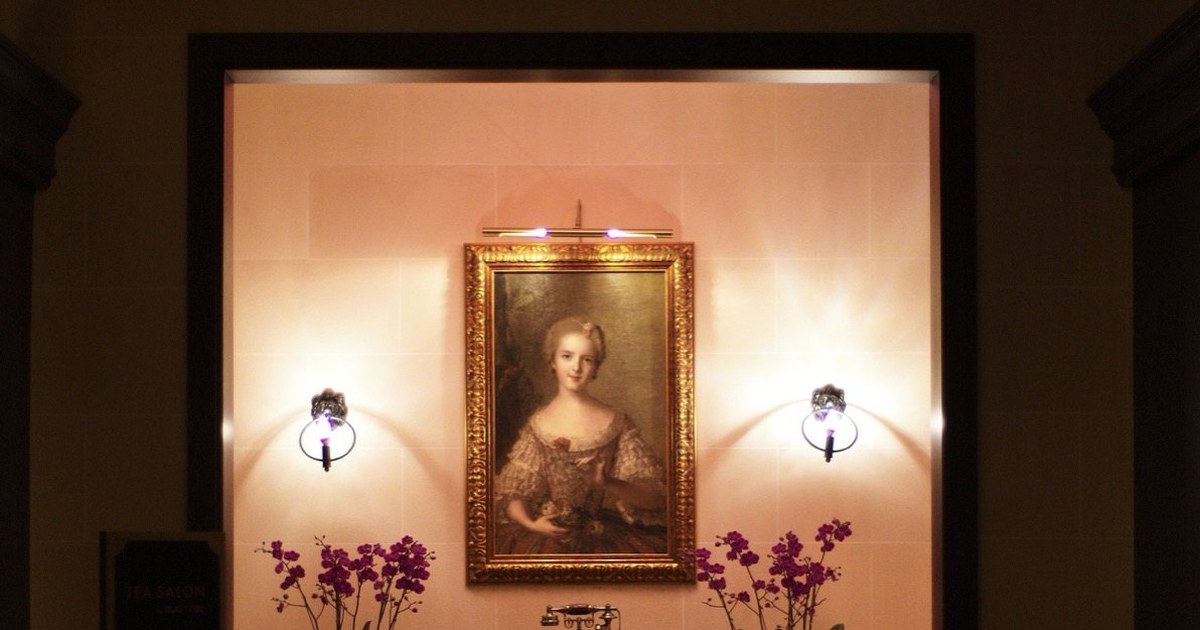
There are hotels that reference the past, and then there are hotels that inhabit it. L’Escape, tucked into the electric hum of Seoul’s Myeongdong district, does not simply borrow from the Belle Époque - it breathes inside it. Every corridor, every gilded edge, every velvet fold has been placed with the kind of devotion that only comes from a designer who has spent a lifetime studying the architecture of romance. That designer is Jacques Garcia, and this is one of his most mesmerising works.
Garcia is not a name that needs introduction in the world of luxury interiors, but he is one that deserves a longer pause than most. Born in Paris in 1947, he began constructing and furnishing miniature rooms at the age of eight - not as play, but as practice. By his twenties he was reshaping Parisian landmarks. By the time he redesigned the Hôtel Costes in 1995, draping it in deep reds and candlelit velvet, he had ignited a style revolution that would ripple through hotels, restaurants, and private residences for decades. His portfolio reads like a map of the world’s most seductive interiors: La Mamounia in Marrakech, The NoMad in New York, La Reserve and Maison Souquet in Paris, the restoration of the Château du Champ de Bataille in Normandy - a 17th-century estate he purchased and spent years returning to its former grandeur. For his work, France named him a Commander of the Légion d’honneur.
What sets Garcia apart is not maximalism for its own sake, but the conviction that luxury should feel inherited - as though the room you have just entered has been beautiful for centuries, and you have simply arrived at the right moment to witness it. His interiors are layered with history, rich with texture, and unapologetically sensual. Velvet, damask, engraved marble, Corinthian columns, coffered ceilings - these are not decorative choices. They are emotional ones.
At L’Escape, that philosophy finds its most concentrated expression in Asia. The 204-room hotel, operated by Josun Hotels & Resorts and now part of Marriott’s Luxury Collection, opened in 2018 as a deliberate counterpoint to the sleek minimalism that dominates Seoul’s luxury landscape. Where other hotels pursue clean lines and negative space, Garcia pursued something far more daring: warmth.
Step through the entrance and the city falls away. A Tony Marklew flower tree erupts from the black-and-white checkered lobby floor, its pink and white blossoms climbing toward the ceiling in an explosion of organic theatre. It is the first sign that nothing here will be restrained. The corridors beyond are softly lit and perfumed - Garcia is known for bespoke scenting - and the rooms themselves feel less like hotel suites than private chambers in a 19th-century Parisian townhouse. Flower-patterned canopy headboards frame king beds dressed in heavy gold-threaded fabric. Mirrored folding partitions separate sleeping quarters from old-fashioned clawfoot bathtubs set on marble floors. Embroidered textiles, regal portrait paintings, and tapestry-like wall coverings create a density of detail that rewards slow looking.
The suites go further still. The Royal Suite opens into an antique-style living room with its own wine cellar. The Presidential Suite is modelled on a French aristocratic salon. And then there is the L’Escape Suite - the one Garcia styled personally, every object chosen by his hand, the room a distillation of everything he believes a great interior should be.
For all its historicism, L’Escape is not a museum. Voice-controlled systems manage the curtains, lighting, and television in every room - a quiet concession to the present tense that somehow never breaks the spell. Suite guests retreat to the Le Escape Boutique Lounge for breakfast and evening cocktails, or to the sunlit Winter Garden and the French salon-style library, where marble busts of philosophers line dark wood shelves beneath green banker’s lamps and a grand piano echoes the lobby’s checkered motif.
The dining is equally theatrical. Palais de Chine, the hotel’s gourmet Chinese restaurant inspired by 1930s Shanghai glamour, has been recognised by the Michelin Guide Seoul for six consecutive years. Its walls shimmer with reflective tiles that catch the light like shattered crystal, and private dining rooms disappear behind heavy curtains. Twenty-six floors above, Marque d’Amour offers bespoke cocktails on blue velvet loveseats - a bar that feels like the opening scene of a film you have always wanted to live inside.
Garcia once said that his ambition was never to decorate, but to create worlds. At L’Escape, he has done exactly that - built a portal in the centre of one of Asia’s most kinetic cities and filled it with the quiet, intoxicating beauty of another time. It is a hotel that does not ask you to admire it. It asks you to surrender.
PhotographyAll photography by Splendid Magazine, captured on the Leica M Series and Apple iPhone 17 Pro.
Frequently Asked Questions
Where is L'Escape Hotel Seoul?
L'Escape is in Myeongdong, central Seoul — a five-minute walk from Myeongdong Station and within easy reach of Gyeongbokgung Palace, Insadong and Namsan Tower. Central and convenient for first-time Seoul visitors.
Who designed L'Escape Seoul?
L'Escape was designed by French designer Jacques Garcia, whose work also includes Hôtel Costes Paris, Le Cinq at the Four Seasons George V, and La Mamounia Marrakech. The interiors lean Belle Époque — deep jewel tones, heavy velvets, gilt mirrors and a sense of old-world Parisian grandeur.
Is L'Escape worth staying at in Seoul?
For design-led travellers who want Seoul at its most theatrical, yes. For travellers who prefer minimalist Korean hotel design, Four Seasons Seoul, Josun Palace or Shilla Seoul offer more restrained alternatives.
Splendid's book of cinematic hotels, Hotel Diaries, is available in print and digital editions.