Tokyo's 5 Most Iconic Luxury Hotels: Park Hyatt, Aman & More
· By Splendid
Tokyo has long captured the imagination of creatives, storytellers, and cultural visionaries. Filmmaker Sofia Coppola famously fell under its spell, channeling the city's neon-lit poetry into Lost in Translation, set within the iconic Park Hyatt Tokyo.
From the newly refined Park Hyatt Tokyo - sensitively renovated to preserve its cinematic legacy - to Aman Tokyo's reinterpretation of the traditional ryokan elevated into the skyline, each property offers a distinct expression of modern Japanese luxury.
GETTING AROUND
Tokyo begins at the kerb. Blacklane is Splendid’s favourite way to arrive: a chauffeur waiting in arrivals with your flight tracked and an hour of wait time built in, then the same quiet service on call by the hour once you are in the city. The cars are immaculate, the drivers unhurried, and the whole thing simply works. blacklane.com
The muted green palette. The cloud-brushing glass atrium. The intimate calm of the library. Dark woods paired with veined marble. Late-night martinis accompanied by lingering jazz notes. And those timeless, cinematic views. It is a hotel that rewards quiet observation, where every corridor and corner has been considered with almost filmic intention.
Forever celebrated as the iconic hotel from Lost in Translation, the Park Hyatt reopened in December 2025 following a meticulous 19-month renovation led by Paris-based design studio Jouin Manku. Guest rooms have been reimagined with natural materials, marble and wood accents in the bathrooms, and a renewed sense of warmth throughout. The soul of the hotel remains intact, gently refreshed for a new era. The legendary New York Grill and Bar still occupies the 52nd floor, its open kitchen and skyline views unchanged, while the adjacent New York Bar continues its tradition of live jazz, classic cocktails and one of the best views in Shinjuku. Downstairs, Girandole by Alain Ducasse brings a refined French brasserie sensibility, and the Japanese restaurant Kozue offers kaiseki dining with views over the treetops of Shinjuku Gyoen.
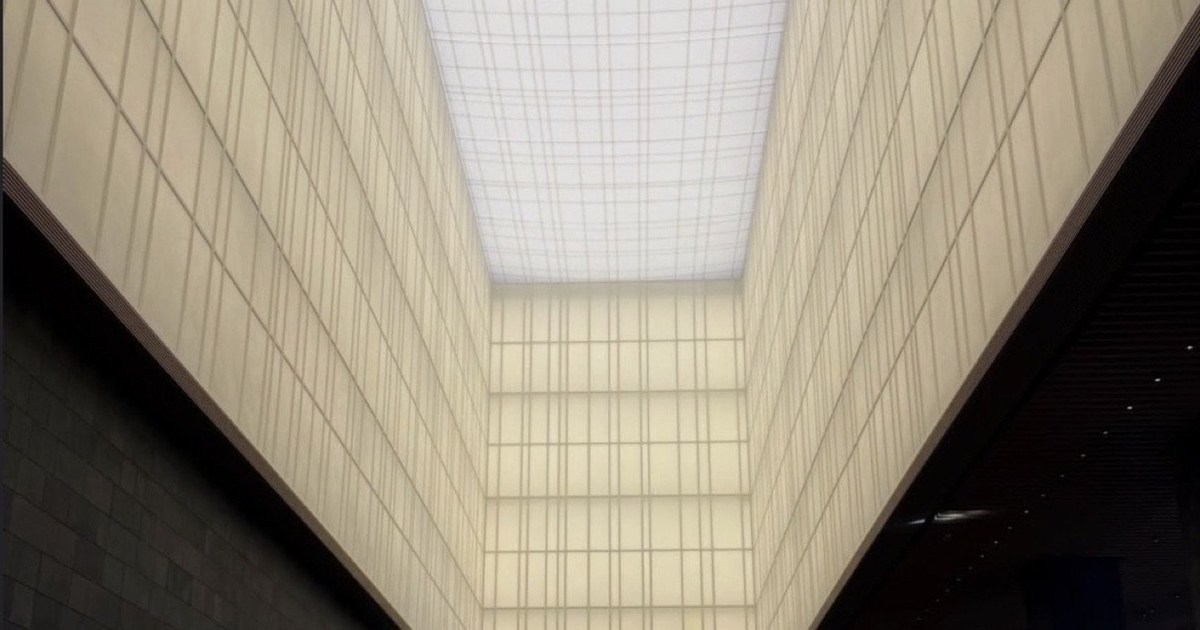
Occupying the upper six floors of the Otemachi Tower, Aman Tokyo reinterprets traditional Japanese ryokan hospitality within a soaring skyscraper setting. Arrival unfolds as a ceremonial transition into a vast, cathedral-like lobby where camphor wood, washi paper screens and ikebana displays set the tone for everything that follows.
With just 84 suites, the scale here is deliberately intimate. Rooms are among the most generous in the city, the largest stretching to 141 square metres, with deep-soaking furo bathtubs, open-plan living areas and floor-to-ceiling windows framing views over the Imperial Palace Gardens. The Aman Spa spans nearly 2,500 square metres across two floors, with eight private treatment rooms, onsen-style hot baths, a 30-metre swimming pool and dedicated yoga and Pilates studios. It remains one of Tokyo's most revered wellness destinations, and a reason to stay in itself.
A collaboration between hotel visionary Ian Schrager and architect Kengo Kuma, the Tokyo Edition occupies the upper floors of a Toranomon high-rise with views stretching across to Tokyo Tower and the bay. The heart of the hotel is a double-height lobby on the 31st floor that feels more like a greenhouse than a reception, bursting with plants and soft natural light. Interiors are bright, sculptural and layered with greenery, soft neutrals and organic textures. Sliding timber screens reference traditional Japanese architecture, while the 206 guest rooms (15 with outdoor terraces) keep things clean and warm. Two restaurants helmed by Michelin-starred chef Tom Aikens anchor the dining, and the rooftop bar is one of the better kept secrets in the neighbourhood.
Positioned directly opposite the Imperial Palace in Marunouchi, The Peninsula Tokyo is one of those rare hotels where every single detail has been thought through and then thought through again. Interior designer Yukio Hashimoto took the brief "international in design, but Japanese by inspiration" and ran with it. Earth tones, lacquer, marble and warm woods of varying shades fill rooms that rank among the largest and most technologically advanced in the city. Views sweep across the Imperial Palace Gardens and Hibiya Park. Nine consecutive Forbes Five-Star awards confirm what returning guests already know. The Peninsula Spa, also Forbes Five-Star rated, is worth building an afternoon around. Then there is Peter. On the 24th floor, with floor-to-ceiling windows looking out over the palace gardens, Peter underwent a complete reinvention in late 2025, shifting from its longstanding grill format to a modern French concept under Chef Yohan Da Costa. Da Costa, a French chef with over 15 years across Michelin-starred kitchens in France, Japan and Australia, led Team Japan to a gold medal at the Bocuse d'Or Asia 2024, so the credentials run deep. His approach pairs classical French technique with the precision and seasonality of Japanese ingredients. Think amber-seared Hokkaido scallops with Tokushima sudachi citrus butter, sea bass from Tsukiji with fennel and Hiroshima lemon, and slow-cooked Iwate Tankaku beef with wasabi salsa verde. The room itself is beautiful: shimmering metallic trees, deep purple and lavender tones against wood and steel, with views that make you want to linger long past dessert. Three, four and five-course menus are available for both lunch and dinner, and the green yuzu cream with lychee sorbet is the kind of finish that stays with you.
Positioned high above the historic Kioicho district on the top floors of the Tokyo Garden Terrace complex, The Prince Gallery presents itself as a living art gallery. The design concept plays on ideas of levitation and kaleidoscopic framing, and it works. Floor-to-ceiling windows create ever-changing cityscapes, transforming the 250 guestrooms into elevated viewing platforms above Tokyo. Marble bathrooms with rainforest showers feel generous without being showy. The 34th-floor Club Lounge is a lovely spot to settle into at dusk, and WASHOKU SOUTEN serves contemporary Japanese cuisine with a teppanyaki and sushi bar that draws locals as well as hotel guests.
May this guide serve as a quiet companion as you plan your Tokyo trip - a city where Hotels evolve, seasons shift, and the city continually reinvents itself, but the spirit of Tokyo endures.
PhotographyAll photography by Splendid Magazine, captured on the Leica M Series and Apple iPhone 17 Pro.
Frequently Asked Questions
What is the best luxury hotel in Tokyo?
Aman Tokyo (in Otemachi), Park Hyatt Tokyo (Shinjuku), Hoshinoya Tokyo (ryokan-style in Otemachi), and The Tokyo EDITION Toranomon are consistently ranked among the city's best luxury hotels for design and service.
Which Tokyo neighbourhood should I stay in?
Ginza and Marunouchi offer refined shopping and easy access to imperial Tokyo; Shibuya and Shinjuku place you in the city's energetic heart; Aoyama and Omotesando suit design and fashion lovers. First-time visitors often enjoy the central Marunouchi or Ginza.
How many days do you need in Tokyo?
Five to seven days is ideal. Tokyo rewards slow exploration: you want time for teamLab Planets, day trips to Hakone or Nikko, sushi omakase dinners, Meiji Shrine at dawn, and late nights in Golden Gai.
Splendid's book of cinematic hotels, Hotel Diaries, is available in print and digital editions.